What Is Weak AI (Narrow AI)? Definition and Examples
Weak AI (narrow AI) is built for one task, like spam filtering or speech recognition. It can learn, but its skills don’t transfer. Examples…


Practical AI for Developers
and IT Professionals
Weak AI (narrow AI) is built for one task, like spam filtering or speech recognition. It can learn, but its skills don’t transfer. Examples…
Strong AI usually means AGI: a hypothetical system that can learn any task a person can. How it differs from weak AI and superintelligence.
In artificial intelligence (AI), a model is a representation of a system, process, or concept. It can be a mathematical equation, a set of…
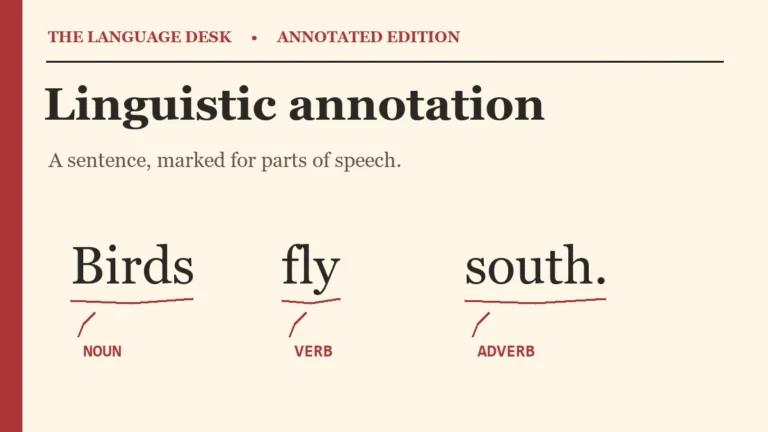
Linguistic annotation adds labels such as parts of speech, entities and speaker turns to text or speech so AI models can learn and be…
Natural language generation (NLG) is the process of automatically producing human-like text from data or other inputs. It is an important aspect of artificial…
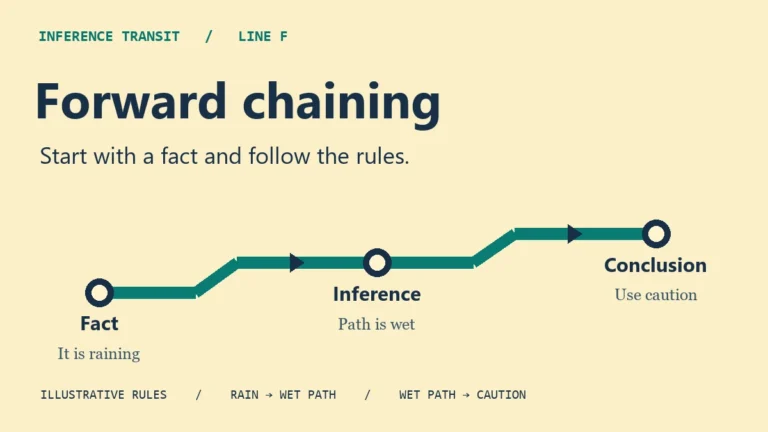
Forward chaining is a method of reasoning that is used in artificial intelligence (AI) and computer science to solve problems by starting with the…
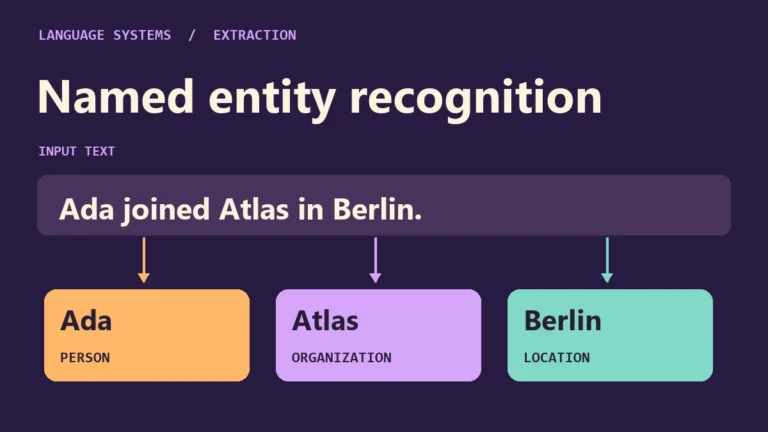
Entity extraction, also known as named entity recognition, is the process of identifying and extracting specific entities or objects from a text, image, or…
Entity annotation, also known as entity tagging or entity labeling, is the process of identifying and labeling specific entities or objects within a text,…
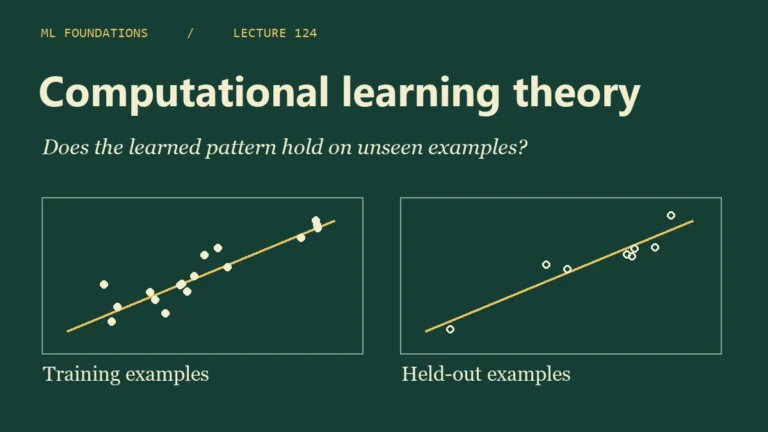
Computational learning theory is a subfield of artificial intelligence (AI) that focuses on the study of algorithms and theoretical models that can be used…
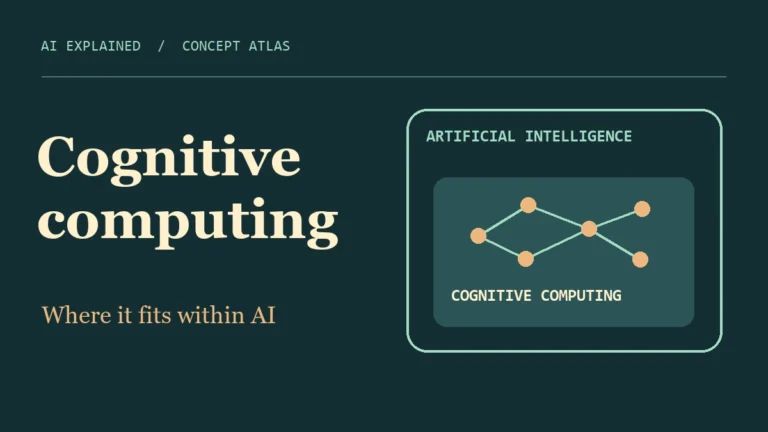
Cognitive computing is a subfield of artificial intelligence (AI) that aims to develop systems that can perform tasks that are typically associated with human…
A bounding box is a frame or region that surrounds an object in an image or video. In the context of artificial intelligence (AI),…
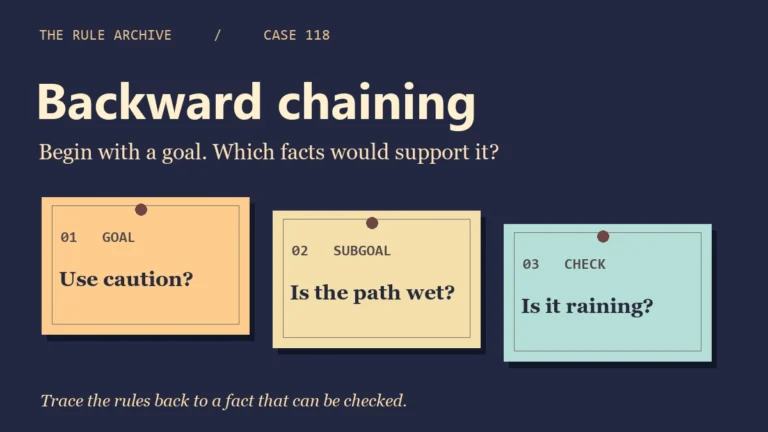
Backward chaining is a method of reasoning that is used in artificial intelligence and computer science to solve problems by starting with the goal…